

UAE launches new media content guideline as Agentic AI takes centre stage
New framework aims to boost quality across federal entities
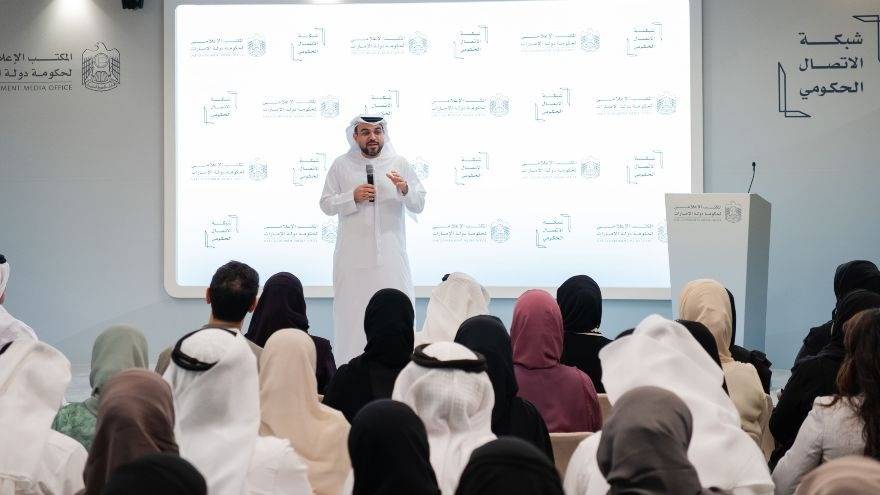
ABU DHABI – The UAE Government Media Office has launched a new Government Media Content Guideline designed to enhance the quality, consistency and effectiveness of communication across federal entities.
The announcement was made during the latest meeting of the Government Communication Network, held at Creators HQ in Dubai.
The gathering brought together communication directors and officials from federal government entities alongside Saeed Al Eter, Chairman of the UAE Government Media Office. The initiative forms part of broader efforts to strengthen the federal communication ecosystem, raise professional standards and provide communication teams with practical tools to create more impactful content aligned with national priorities.
معالي سعيد العطر ضمن اجتماع شبكة الاتصال الحكومي: الذكاء الاصطناعي المساعد Agentic AI سيقود مستقبل الاتصال الحكومي ليكون أكثر تأثيراً واستباقية pic.twitter.com/b4DYON7PGf
— UAEGOV (@UAEmediaoffice) June 1, 2026
Al Eter said the UAE Government remains committed to developing a communication system capable of keeping pace with rapid global developments. He noted that the country's approach is increasingly built around data, knowledge and advanced digital technologies, with the objective of delivering credible and influential content that reaches all segments of society.
AI future
A key focus of the meeting was the growing role of artificial intelligence in government communication. Al Eter described Agentic AI as the next major development in the sector, highlighting its potential to transform how governments create, distribute and manage information.
According to Al Eter, the technology could enable the production of high-quality content in real time and at scale, while also helping authorities identify and address misinformation before it gains traction. He said Agentic AI would strengthen crisis communication capabilities and allow government entities to engage more effectively with digital communities.
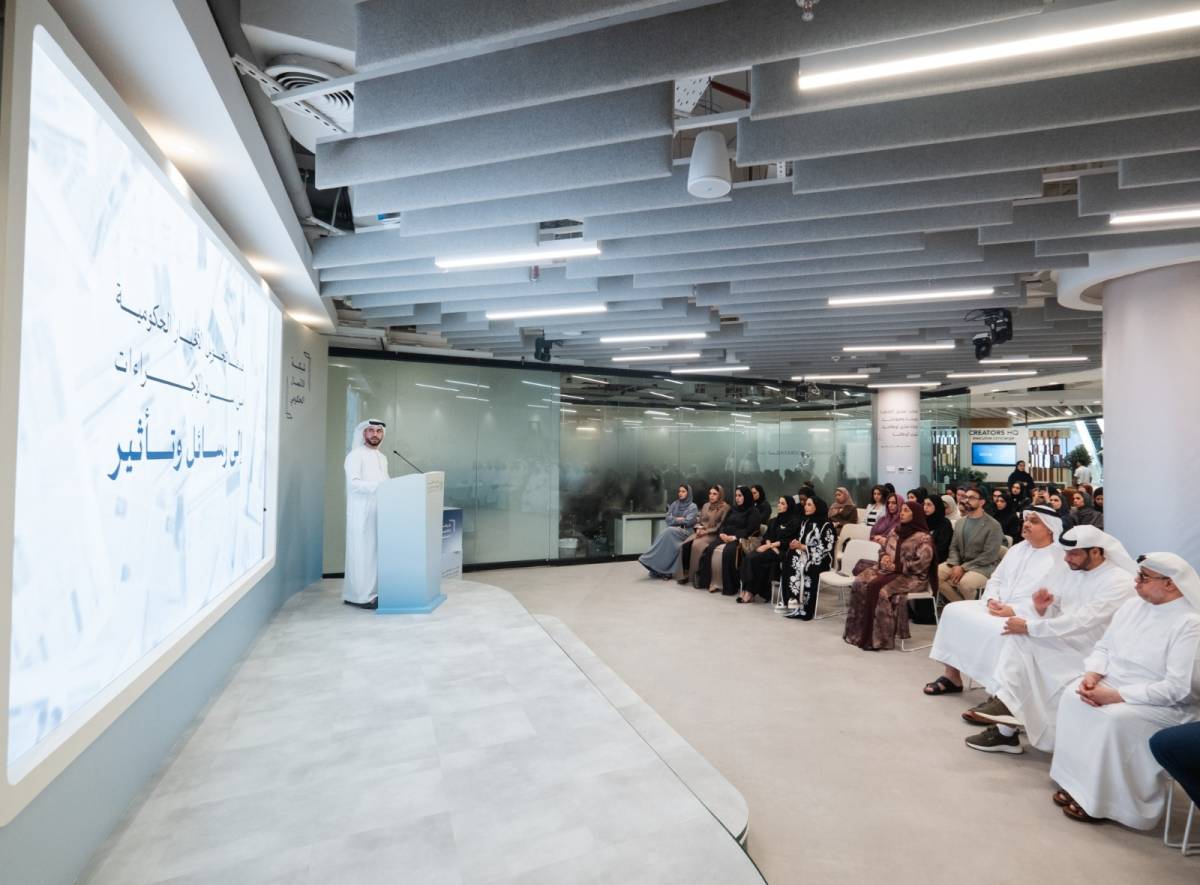
The technology is also expected to make government communication more proactive and responsive, supporting faster decision-making and more targeted public engagement.
Crisis model
The programme included a dedicated session led by the National Emergency Crisis and Disasters Management Authority (NCEMA), titled The UAE Model in Crisis Media Management. The presentation explored the principles and methodologies that underpin the country's approach to communication during emergencies and crisis situations.
Drawing on practical experience and established procedures, the session highlighted the importance of communication as a frontline tool during crises. Officials emphasised its role in maintaining public confidence, limiting the spread of inaccurate information and enabling institutions to respond in a coordinated and effective manner.
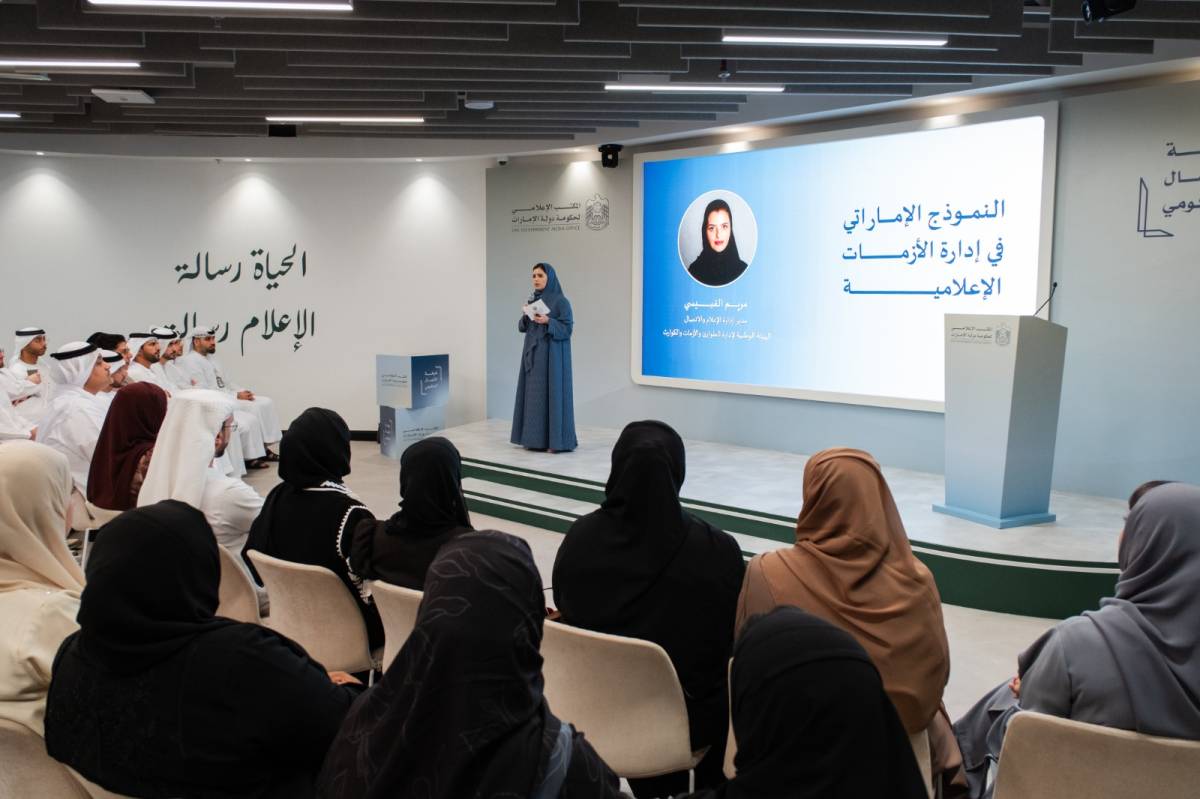
The discussion reinforced the view that communication is an essential component of crisis management rather than a supporting function, particularly when rapid and accurate information sharing is critical.
Practical framework
The newly launched Government Media Content Guideline provides a detailed framework covering every stage of the content development process across federal entities.
The guide includes tools and methodologies for strategic planning, editorial direction, message development, content creation and distribution across multiple media platforms. It is designed to help communication teams produce content that is clear, consistent and aligned with the UAE's communication identity.
Each stage of the framework is governed by standards aimed at ensuring messages reach intended audiences effectively while maintaining a unified approach across government channels.
Alongside the launch, the UAE Government Media Office organised an interactive workshop for communication teams attending the meeting. Participants worked through practical exercises focused on developing compelling narratives, crafting effective messages and adapting content for different audiences and platforms.
Rather than a traditional lecture, the workshop provided a hands-on environment where teams could apply the guideline's principles in real-world scenarios. The session focused on the strategic and creative processes behind successful government communication, from initial planning and message development to content performance after publication.